

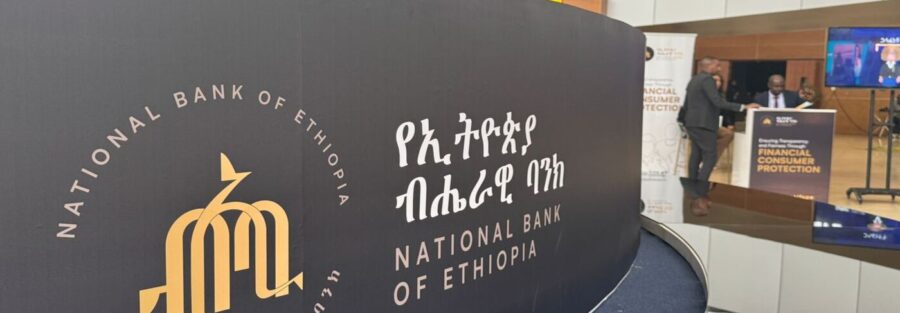
The Ethiopian financial landscape is currently undergoing its most significant transformation in decades. With the full implementation of Proclamation No. 1360/2025, the doors have officially opened for foreign banks to acquire shares in domestic financial institutions. For investors and local banks alike, this isn’t just a regulatory change—it’s a complex judicial transition.

The Gold Standard of Compliance
As former Federal Judges, we understand that “compliance” on paper often differs from “compliance” in the courtroom. The National Bank of Ethiopia (NBE) has introduced a risk-based capital adequacy framework (Directive SBB/95/2025) that demands unprecedented transparency. At Meridian, we advise our clients to look beyond the immediate financial entry and consider the long-term judicial scrutiny of their governance structures.
Key Considerations for 2026:
- Equity Limits: Foreign nationals are now permitted to hold up to 40% of shares in domestic banks, but the road to approval involves rigorous “fit and proper” tests.
- Judicial Scrutiny: With new players entering the market, we anticipate a rise in shareholder litigation and contract disputes. Having a legal partner who understands the “bench’s logic” is no longer a luxury—it’s a necessity.
- Regulatory Alignment: Bridging the gap between international banking standards and Ethiopian legislative nuances requires more than just a lawyer; it requires forensic precision.
The Bottom Line: The “Gold Standard” in 2026 is no longer about just entering the market—it’s about staying there through impeccable integrity and strategic legal foresight.